
In recent decades, a variety of electrical and electronic devices have been made, and as a result, their waste has increased significantly. Every year, a lot of electronic waste is generated from mobile phones, tablets, laptops and other electrical appliances, all of which contain recyclable materials such as plastics, metals and glass.
Recycling these used or obsolete electronic tools can be a source of raw materials for various industries in addition to helping to protect the environment.
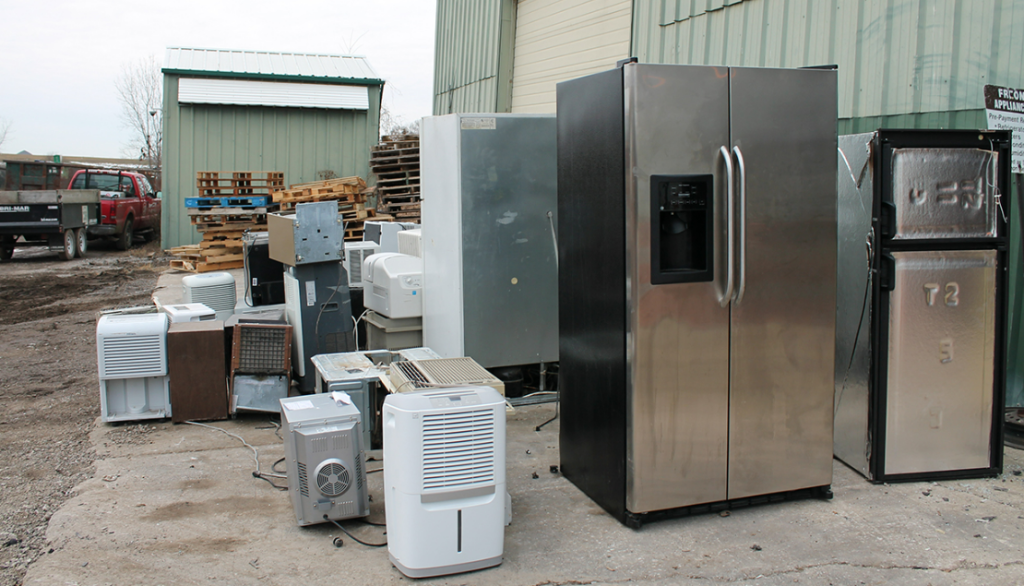
Here are the most important types of electronic waste
Waste heat transfer equipment One of the most important electronic wastes is heat transfer equipment waste. These wastes include refrigerators, freezers, refrigerants, heat pumps and air conditioning equipment. Screen waste This waste includes all used and disused equipment of screens such as screens, computer screens, laptops, tablets, mobile phones, CRT lamps and old TVs, industrial and laboratory equipment, and so on.
These old light bulbs are very difficult to recycle and contain a lot of lead and luminous materials that are no longer used in the construction of new screens today.
Waste lamps Light bulbs are one of the most important categories in electronic waste. Lamps often contain large amounts of aluminum and brass in their joints, which have many uses after recycling. Almost all parts of fluorescent lamps, even glass and their overlays, are recyclable. Mercury is one of the most important recyclable elements in these lamps that can be used to make new lamps.
In addition to significant amounts of mercury, old light bulbs contain other dangerous elements such as cadmium, thallium and beryllium, which will be very dangerous for the environment if returned to nature.
In many developed countries, the disposal of these lamps is prosecuted because of the dangerous elements they contain. Fortunately, in the production of modern lamps, these dangerous elements have been replaced by edible elements.

Large electrical waste
All large or used electrical appliances such as refrigerators, washing machines, dishwashers, electric stoves, large copiers and printers, photovoltaic panels, etc. can also be recycled.
Small electrical waste
Small appliances such as microwaves, fans, vacuum cleaners, radios, electric kettles and all small kitchen appliances, shaving machines, etc. can also be recycled from other appliances.
Small electronics waste
Recycling widely used electronics such as mobile phones, tablets, laptops, etc. is very important. Many of these devices are marketed annually and enter the recycling cycle very quickly because they are often designed for a useful life of less than 2 years.
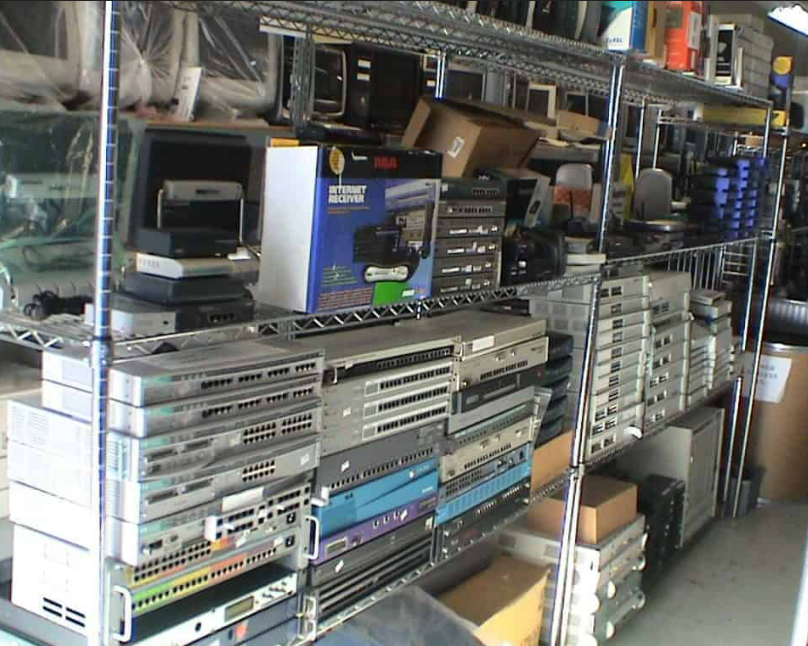
The importance of recycling electronic waste
Electronic waste contains valuable elements that can be reused after recycling. Copper is the most important element in this electronic waste that must be melted and cast during recycling.
Electronic waste such as broken rods, bare wires and Molds, CPU and electrical board can be melted by special furnaces and their valuable elements can be separated.
Copper metal scrap may be combined with various impurities that melt this contaminated copper in the anode furnace for pure recycling. During this process, the impurities in the copper are oxidized and separated by air.
Types of electronic waste
Which electronic wastes are more valuable?
Electronic waste, such as computers and intelligent systems equipment, is more valuable than other electronic waste because it contains more copper and its alloys.
In general, electronic equipment such as computers, lamps, devices and electrical equipment are the largest sources of recycling copper and its alloys.
Recycling gold from electronic waste
In the construction of some electronic devices such as mobile phones and electronic motherboards, valuable elements such as gold, copper or silver are used, which can be recycled after being used and damaged.
In the recycling of electronic waste, the separation of copper and copper alloys from electronic equipment is one of the most important steps in recycling management.
Danger of not recycling electronic waste
Failure to recycle electronic waste and release and dispose of it improperly can lead to irreparable environmental damage.
Most of this equipment contains elements harmful to nature and living organisms that can even lead to poisoning of humans by entering urban waters.
Therefore, collection, transportation and transfer of electronic waste to recycling centers is the best way to prevent these hazards and reuse the potential of this used equipment.
Nowadays, buying and selling electronic waste is very common, and you can contact the waste message group for how and for more information.
#electronic_waste #recycling #ewaste #home_appliances



Тhis post is truly a nice one іt assists neᴡ internet visitors,
ԝho are wishing іn favor оf blogging.
Feel free tߋ visit my website :: Environmental Sustainability