
Textile waste recycling by cooperating with GAIN Company
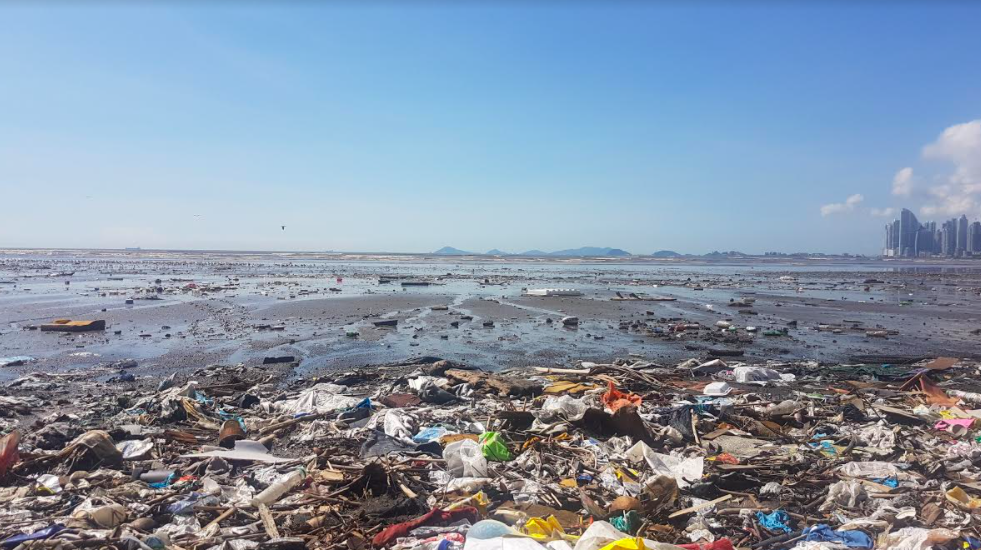
According to the definition, any material or object that the consumer has thrown away, intends to throw away or should be thrown away, is defined as waste material. Today, the amount of waste materials produced by humans is increasing day by day. Solid textile waste can be classified into two groups: consumer waste and by-products from production processes in fiber and textile industries.
Textile Mills in Canada – Industry Data, Trends, Stats | IBISWorld
The second group of wastes or by-products according to their production process may include fibers and polymers in various forms or types of out-of-class textile products, which wastes from fibers or polymers are more valuable in terms of ease of recovery.
Consumer waste is also referred to as any clothing or home textile goods produced from textiles that the consumer no longer needs and intends to throw away, and these products may go out of fashion for reasons such as To be discarded.
The production of textiles from natural textile fibers is associated with the production of high amounts (more than 50%) of all types of waste, as a result of which millions of tons of textile waste are produced annually in the world.
For example, in the process of preparing or refining cotton fibers, ginning wastes are produced during the ginning process in which fibers are separated from cotton seeds and other impurities. In this process, usually between 37 and 147 kg of cotton cleaning waste is produced for each bale of cotton (227 kg).
The amount of cotton ginning waste depends on the cotton harvesting technology, and harvesting methods based on peeling produce more waste than rotary methods. In various processes of the textile and clothing industry, it is also possible to create waste in various forms.
In the spinning and weaving processes, wastes are produced in different forms such as fabric remnants, wastes of overlapping fabrics, wastes at the ends of fabric or fabric rolls, fiber and thread wastes, and defective fabric wastes in different sizes.
In the activities of the clothing sector, various wastes are created, such as fabric, sewing thread, decorative tape, prototypes and cutting waste. Considering the large amount of solid waste production in different sectors of production and consumption of textile and clothing industries, recycling approaches can be important in terms of returning these resources to the production cycle and reducing the consumption of raw materials and costs.
Textile waste recycling:
The most common methods of disposal of textile solid waste and used textiles are currently only throwing away, burying and burning. This is the fact that these wastes are actually a potential source of energy and material, and with proper management, they can be returned to the production cycle.
Today, the most interesting approaches in the category of waste management are under the titles of three R’s or reduction of waste, reuse and recycling. In these approaches, the goal is to protect the environment by reducing the amount of waste and extracting the maximum possible profit from products by increasing the consumption time and Also reuse them. Two of the three proposed approaches, reuse and recycling, are also discussed in the textile sector
They are examined in more detail below.
Textile Recycling Companies in Canada (scrapmonster.com)
reuse
The reuse of textile products in the same state as they were produced or after their repair and reconstruction, compared to the production of new textiles, saves resources. Collecting, sorting and selling second-hand textiles saves 10 to 20 times more energy than producing new products. Charitable organizations that collect discarded clothes in advanced societies usually play an important role in recovering and reusing textile waste.
After being collected by skilled people, used clothes are classified according to their quality, use and type. A small part of second-hand clothing is consumed in the European Union and the United States, and most of it is sold to developing countries. Some organizations such as TRAID Remade, under the supervision of the TRAID UK charity, recycle second-hand clothes, update and restore them in terms of fashion, and give them a new life.
Recycle
Textile waste recycling, which includes processes to convert waste into other products, is one of the important approaches of waste management to preserve resources. Textile waste must be sorted and separated in the first step.
Different types of fibers after sorting may be recycled using different methods. In general, recycling technologies can be divided into four general approaches, which are mentioned below.
Chemical recycling of waste and re-polymerization The recycling of waste using chemical processes and in order to re-polymerize the resulting monomers, which is also called the chemical recycling or closed cycle approach, is suitable for man-made fibers such as polyester and nylon.
Physical recycling of waste and turning them into new products
This group includes recycling approaches based on the transformation of waste into new products with a lower level of physical, mechanical or chemical properties. Products recycled in these ways will have a completely different use than the original product. Finished textile products such as clothes, for example, may be turned into cleaning cloths for industrial use. However, extracting fibers from textile waste and converting them into new products is the most common method for using out-of-class clothing.
During this process, the fibers are cut and shaved and converted into low quality intermediate products using a carding machine. The produced intermediate products are then transformed into more valuable products such as layers, car covers, carpets and materials used in buildings such as floor and ceiling insulation and windows.
Another method in order to recycle thermoplastic polymers is the melting process of textile waste, carpet and other fibrous waste.
For this purpose, the dimensions of waste are first reduced through shredding, and then the materials are entered into an extruder to be melted and transformed into polymer filaments while passing through the pores of the filament maker.
The polymer strands are then cooled and turned into small pieces. These obtained chips are used in the next step to make different parts of thermoplastic polymers. Although this process is relatively cheap, but due to the non-mixability of the waste components, the products often have low quality and limited use.
Converting waste into fuel and other products
This group of recycling approaches includes processes such as pyrolysis, gasification, hydrolysis, etc., which have been less used in the case of textile waste. For example, pyrolysis is a method in which textile fibers are heated and converted into smaller molecules at a high temperature, for example 400 to 600 degrees Celsius, in the absence of oxygen. Some of these products can be used as fuel.
The type and amount of fuel produced depends on the composition of the components of the textile used. In recent years, the use of environmentally friendly processes and the conversion of textile cellulose waste into paper pulp, bioethanol, or the manufacture of cellulose nanostructures are among the researches conducted in this group of recycling approaches.

Incineration of waste
Direct burning is a common and simple method to use textile solid waste. However, the pieces of fabric and fibers are long and may cause the fire to spread outside the fire chamber or cause problems due to uneven burning. There are also issues such as low burning efficiency, residual ash, and toxic and dangerous gases. In any case, incineration can be considered as a solution to use waste that cannot be used in other ways or is difficult.
Considering the lack of raw materials and the energy crisis in the near future, an important part of research has been directed to find solutions for the reuse of waste resources. In the textile sector, due to the large amount of production of all kinds of solid waste and the lack of valuable and defined uses for them, the development of recycling approaches can save the environment, reduce costs, and save other resources.
You can sell your fabric scraps in the following link:
Market Place – Gain (businessscrap.com)
#fabric #waste #textile #recycling #gain #scrap #incineration