Covid-19 pandemic and world food security
If the period of the Corona crisis is prolonged, millions of people in the world will feel the impact of this crisis on food security now and for a long time in the future.
According to the Reuters report, the vulnerable population will face increasing food insecurity more than other strata of the world community. The threat caused by the denial of access to desirable food is overshadowed by the risk of lack of income sources or not having access to healthy food in general.
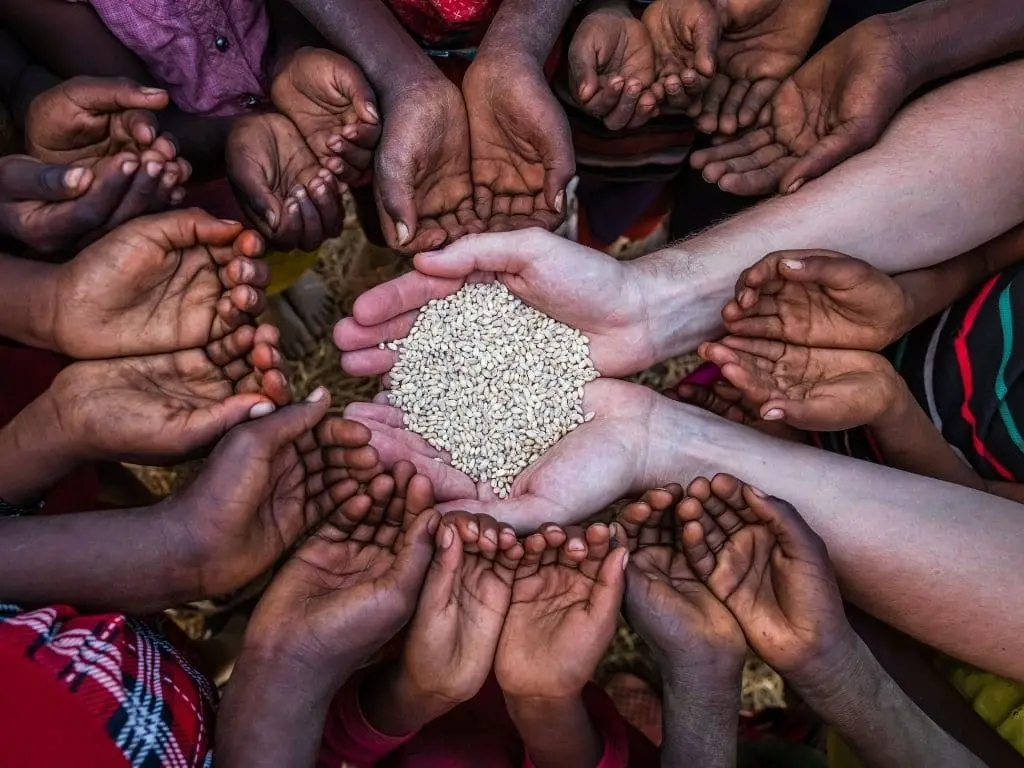
More than 820 million people in the world will be in such a situation at the same time as the threat of the global epidemic of the Corona virus.
Undoubtedly, the number of people who will experience hunger will increase dramatically.
The recommendation of mandatory quarantine around the world means that millions of workers in the restaurant, tourism, hotel, air travel and entertainment industries will suddenly lose their jobs, and as the economic crisis develops, this wave of unemployment will expand to other industries as well.
The quality of available food will also deteriorate. Processed foods are now popular due to their price and availability, and their consumption is likely to increase due to the increasing number of low-income populations and the difficult access to healthy and organic food.
The Food and Agriculture Organization (FAO) has recommended a series of measures, including the direct distribution of food to vulnerable families, including in countries such as Mexico, and the implementation of plans to transfer healthy food to homes.
In some countries that are forced to implement mandatory quarantine, food production and supply is considered one of the essential services that, along with medical services, police and security forces must continue to operate. The reason for this is clear: people need to eat, and food manufacturers and suppliers cannot work remotely.
Food supply in the long term faces an uncertain future and this affects farmers and fishermen. Some crops, such as corn, rice, and wheat, which are produced in industrial quantities and have highly efficient support and transportation systems that minimize human contact, are unlikely to experience a significant disruption in production and supply.
But many communication channels and international productions will probably be disrupted, which can be caused by the lack of labor. Freight transportation has been subject to significant fluctuations and migrant workers are also in a threatening situation. For example, the closure of consulates and border restrictions will cause problems for the 250,000 Mexican agricultural workers who travel to the United States each year on temporary work visas during the harvest season.
The concentration of a large number of workers to produce a specific product also increases the spread of disease and affects future production.
Non-perishable food producers are likely to face increased demand; A theme that has so far been observed in the demand for pulses worldwide. The initial fear and concern about fresh fruits and vegetables has subsided as more and more evidence emerges that points to their health. Agriculture and fisheries industries may face a decrease in consumption due to the reduction of consumption due to the closure of restaurants and quarantine.
Many will soon realize that food is the best medicine. Corona poses the greatest risk to diabetics or those who are overweight. Therefore, it is necessary to take measures to reduce the consumption of processed foods as the main cause of many diseases caused by malnutrition.
Short and long term effects of Corona on food safety
In the short term, the lack of air and ground transportation disrupts the transfer of fresh food, and in the long term, the lack of labor affects the planting and harvesting of crops and can lead to a shortage of crops and an increase in the price of crops.
With the grounding of planes and the halting of cargo containers following the initial outbreak of the Corona crisis in China, the transportation of vegetables from Africa to Europe or fruits from South America to the United States was disrupted. With the start of spring in Europe, farmers are looking for enough labor to harvest crops such as strawberries, while the closure of borders has prevented the entry of foreign workers.
France asked its citizens to mobilize to compensate for the shortage of approximately 200,000 foreign workers.
In India, widespread crop losses have been seen as lockdowns have sent workers home and farmers and markets are understaffed during the harvest season for crops such as wheat.
A rush to buy food from countries dependent on food imports could fuel global food inflation despite abundant supplies, the FAO has warned.
Fresh products such as fruit or fish or unprocessed grains such as rice show immediate changes in supply and demand.
Will there be enough food as the crisis continues?
Analysts say that the world’s food supply is sufficient. It is expected that wheat production will be at an unprecedented level in the coming year. However, the saturation of food exports in a few countries and the export restrictions of large suppliers who are concerned about sufficient supply in their own countries can make the food supply chain weaker and more fragile.
For example, the Ministry of Agriculture of Kazakhstan announced that it plans to impose restrictions on the permitted amount of wheat exports in order to ensure a sufficient amount of grain to meet domestic needs during the period of the Corona epidemic.
Some news sources have reported that Kazakhstan will limit wheat exports to 200,000 tons and flour exports to 70,000 tons starting this month (April). This will mean a significant decrease in grain exports of this vast Central Asian country.
FAO has warned about “the risk of a food crisis in the world” and has made the prevention of this crisis conditional on quick measures to protect the most vulnerable sections of society, maintain the food supply chain and reduce the effects of this pandemic on the food system.
According to the latest statistics, about 1 billion people suffer from malnutrition and hunger, of which about 50% live in Asia and 25% in Africa. In contrast to these hungry people, about 2 billion people in the world are overweight and obese. One of the important programs of the World Food Organization (FAO) and other international organizations is to eliminate hunger in the world by the end of 2030 with the support and participation of the people of the earth.
Recently, the World Food Program, presented by the United Nations, won the 2020 Nobel Peace Prize for its efforts in fighting hunger and improving peace conditions in conflict areas. The UN Food Aid Division, which is the world’s largest humanitarian agency in the field of food security and hunger relief, has announced that one ninth of the world’s population still does not have enough food. Therefore, the need for solidarity and multilateral cooperation is more obvious than ever.
When we talk about food, it can be explored from the two dimensions of food security and food safety, which are two completely different and separate categories.
For almost forty years, October 16 has been celebrated as World Food Day with the aim of reducing the shadow of poverty and hunger in the world in about 150 countries, and actions are taken in this field. World Food Day is a day of sympathy for the hungry who are deprived of the simplest need of life, which is food. Encouraging and stimulating nations, heads of governments, international centers and non-governmental organizations to increase the production of agricultural products to end hunger, encouraging the communication of developing countries for economic and agricultural cooperation and mutual technical support to increase production and encourage rural people, especially women. To participate in decisions that improve their living conditions is one of the goals of World Food Day.
By holding this international day, increasing the public awareness of nations and paying attention to the issue of hunger in the world, encouraging the transfer of technology to developing countries, encouraging international and national efforts and responsibility for the fight against hunger, malnutrition and poverty, and drawing attention to production And sustainable agricultural development is pursued, and the food we choose affects not only our health, but also how the agricultural and food systems work.
The food we choose and the way we produce, prepare, cook and store it make us an integral and active part of the functioning of the agricultural system. It is available and no one is starving or suffering from any kind of malnutrition. Indeed, sustainable agricultural and food systems ensure food and nutrition security for all and for future generations, without compromising the economic, social and environmental foundations; It provides and leads to better production, better nutrition and better life.
Lack of healthy diet for three billion people in the world
According to the report of the World Food Organization (FAO), the employment in food agriculture systems around the world is more than any other economic sector, and on the other hand, lack of care in choosing the right way to produce and consume food products, and then wasting food, causes a lot of damage. It affects natural resources, environment and climate, most importantly, three billion people of the world’s population cannot have a healthy diet and in addition to the prevalence of malnutrition, overweight, obesity and non-communicable diseases related to nutrition are still increasing.

Reducing access to healthy food in the era of Corona
This year, for the second year in a row, World Food Day will be held while the world is dealing with the widespread effects of the Corona epidemic. Corona and its economic consequences in the world by increasing poverty due to unemployment and reducing income and reducing access to food in the vulnerable sections of the society, endangered the nutrition situation and food security, and considering the role of nutrition in curbing Corona by strengthening the system Immunity caused millions of people to need urgent food aid.
For this reason, this year World Food Day with the slogan “Everyone’s fight against Corona; “Healthy environment, healthy nutrition with healthy food production and consumption” is held. In this regard, community education in the field of reducing food waste in the form of messages along with necessary policies to identify and help vulnerable groups can be a way forward.
Attention to messages to reduce food waste
Don’t throw away your food waste and turn it into compost, don’t go shopping when you’re hungry, otherwise you’ll undoubtedly buy more than you need or want, after buying new food, old food in Move your cabinet and refrigerator and make them available so that the risk of spoilage or mold is much less when using them. Make a list of perishable products in the house along with their expiration dates and make them a priority for consumption. give
Buy food as much as you need, if you have stored food in the refrigerator or freezer; As part of the waste reduction program; It is better to dedicate one or two days a week to eat them, by using different methods to preserve food (pickling, drying, canning, fermenting, freezing and cooking), help increase the shelf life and prevent food spoilage. Before you go shopping, first check the inventory of your refrigerator so you don’t buy duplicates.
Do not throw away dry bread, to use as much dried bread as possible, it is better to season the bread with aromatic herbs and spices and after chopping them, pour them on salad or soup, instead of throwing away the excess rice in an electric dryer Dehydrate and then roast it and mix it with other roasted grains and eat as snacks. Don’t throw away stale (but not moldy) breads. Test them and season them with a little cheese and fresh herbs. Eat as a nutritious snack.
The importance of paying attention to food pyramids
Some foods produce ethylene gas during ripening, to prevent premature spoilage of food sensitive to ethylene gas (such as potatoes, apples, leafy vegetables, berries, and peppers); Keep them away from foods that produce this gas (bananas, tomatoes, peaches, pears, onions, garlic). Keep bananas, apples, and tomatoes alone. These fruits emit natural gases that can spoil any produce around them.
Store leftovers in clear glass containers (not in an opaque container) in plain sight to consume before spoilage, eat organic fruit skins, athletes, or people who avoid egg yolks for fear of raising blood cholesterol. do not consume, advise not to throw away the egg yolk, mix your extra food together and prepare hearty dishes.
Remember the pyramid of food groups, know the size of food portions needed by your body and try to eat the same amount of food, do not overeat to help control your weight and maintain your health and not to waste food.
By planting vegetables in your home garden or pot, you will have fresh vegetables every day and minimize the amount of waste from buying old vegetables from the grocery store. Also, prepare your shopping list according to the current inventory before going to the store. so that you know what your real needs are and in this way avoid buying items you don’t need, don’t buy bulk and a lot, buy food for a month’s needs at most.
In the future, you will read articles from GAIN about food safety:
https://businessscrap.com/category/article/
#covid19 #pandemic #foodwaste #foodsecurity #worldfoodsecurity #FAO #gain #gainsolution