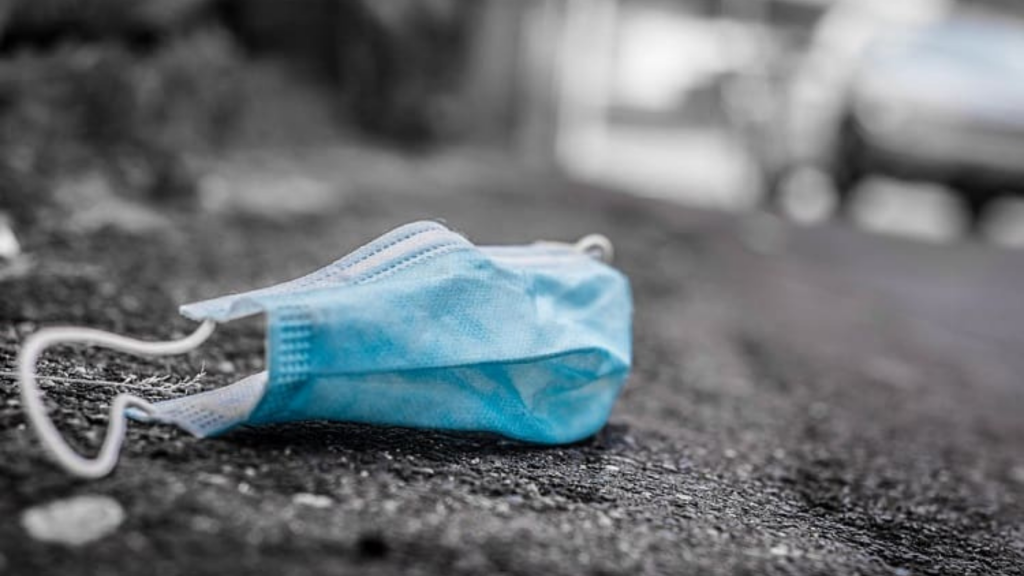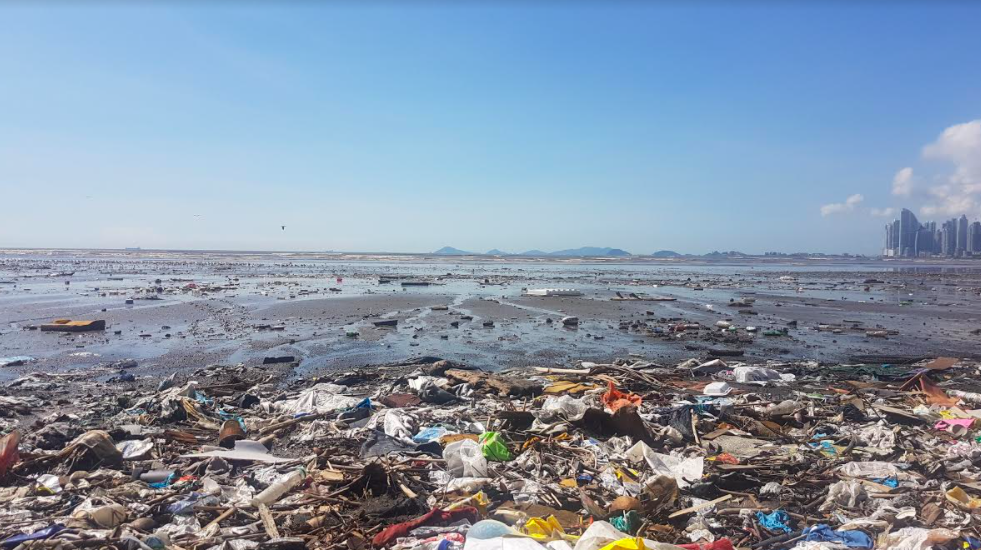

Food waste as a new concern
Food waste is a concern in the world. Statistics show that one third of food products are lost every year during storage and transportation.
In addition to the fact that the waste of food products is harmful enough, the lack of food in the world will also have environmental effects.
Food waste is a big problem in today’s world
Some of the food wastes are due to the lack of sufficient space and facilities to store them, and some of these wastes, which account for a high percentage, are caused by problems and improper transportation.
Foods that spoil quickly, such as meat, dairy products, fruits and vegetables, must be kept at a constant temperature to ensure their health and shelf life.
With the covid-19 pandemic and changes in consumer buying habits, attention has been paid to the safe transportation of food products. Because the breakdown of products on the way means a shortage at the level of stores and shopping centers in cities and countries.
Therefore, the presence of accurate and moment-to-moment monitoring of the movement of these products helps manufacturers and exporters to know where a product is on the path and that the products are at the optimal temperature and humidity.
food waste
At the climate change conference in Glasgow in 2021, which was held on the topic of changes in various industries on the environment, there was talk about rapid and beneficial changes in various industries in order to reduce the emission of greenhouse gases and produced waste.
One of the things discussed was monitoring the temperature of food products, which at first seems not to have much impact on climate change. But by examining different aspects of this issue, we can see its changes and positive effects.
In the research article “Using Cold Chain to Reduce Food Losses in Developing Countries” conducted by a person named Lisa Kitinoja, it is estimated that the amount of food that is lost due to the lack of temperature control and the lack of use of refrigerated counters and The data logger is lost in the world, it is about 20%.
According to a paper published in 2021, global greenhouse gas emissions from animal products are twice that of plant-based food products. Therefore, if the wastage of animal products is reduced to 0%, 3.46 billion tons of CO2 production can be reduced annually.
But it is impossible to do so, because there is always some waste. Just as we are not perfect, the environment we live in is also not perfect. But always by applying appropriate changes and solutions, waste and problems can be reduced to a great extent. For example, if you receive necessary warnings while storing and transporting food products with devices such as data loggers or temperature thermographs. Certainly, this 20% of product losses can be single digits.
Prevent food waste
But the discussion is not only about the corruption and waste of food products. Rather, in addition to the loss of food products and its losses, there is also the discussion of the effects of this event on the environment.
Rotten food products that are buried emit methane gas, which is a type of greenhouse gas. Methane emitted from all spoiled food products in the world is 37 times the methane gas produced by cars. 40% of these products spoil during storage and transportation before reaching the hands of the buyer. The level of food waste is largely related to the lack of proper control and supervision during storage and handling.
What types of food waste can be recycled?
It depends on whether food waste is composted at home or not.
This category of food can be composted at home:
1- Fruits and vegetables – This includes things like carrots, potato skins and fresh herbs. Recycle food waste
2- Bread, pizza dough and other baked goods.
3- Pasta, oatmeal, and other grain-based products (as long as they don’t have too much oil on them).
4- Crushed eggshells (this has the added benefit of preventing compost acidification).
5- Coffee and coffee filters
6- Tea bags and tea
Add citrus fruits sparingly, as they have natural antibacterial properties. Also, if added too much, it can destroy beneficial bacteria.

These foods should go in the trash:
1- Meat and seafood
2- bones
3- Fats and oils
4- dairy products
5- hot pepper (bell pepper)
Another option for these hard to compost items is to send them to a commercial compost facility. Although not all places accept them. Curbside food waste collection and recycling programs encourage residents to place items such as cheese and fish bones in their curbside bins. Such as cities and countries such as Halifax, New York, Canada and Portland.
GAIN company is also using its experts to implement projects to optimize compost production in the provinces of Manitoba and British Columbia in Canada.
And as for a number of creative methods that big companies and experts suggest for the reuse of food waste and leftovers:
There are creative ideas to help you put your food waste to good use.
- Pickled watermelon skin
Watermelon is a popular summer treat, but the rind is often discarded in favor of the sweet flesh of the fruit.
However, you can save the watermelon rind and pickle it for a crunchy and satisfying snack.
- Try to make pen and bone juice
Instead of buying expensive bone broth supplements or powder mixes, you can make your own broth and bone broth at home by saving leftover meat bones.
Bone broth is not only a warming and soothing alternative to coffee or tea, but also a great addition to soups, stews, and sauces. - Make croutons with stale bread
If you have a loaf of bread that has gone stale, there is no need to throw it away. Instead, use it to make a delicious homemade crouton. Homemade croutons add more flavor to salads, soups and casseroles. - Fry the stems of leafy vegetables
Leafy greens like kale and collards have fibrous stems that are difficult to eat.
However, instead of throwing them out, you can save the stalks, chop them into small pieces and saute them with a little olive oil and your favorite seasonings.
In addition to helping reduce food waste, leafy greens make a delicious side dish that’s packed with nutrients.
- Replant your vegetables in water
Many types of vegetables can be regrown by soaking their stems in water, helping you save on groceries while reducing waste.
Cabbage, celery, chives, and leeks work great, but you can grow a variety of other vegetables as well.
- Save beet, carrot and radish leaves
Most people discard leafy greens that sprout from root vegetables like beets, carrots, and radishes.
These greens are not only edible and nutritious, but also incredibly versatile. You can substitute them with other vegetables in a wide variety of recipes. - Make vegetable broth
One of the best ways to use vegetable scraps is to make your own vegetable juice.
You can use your homemade vegetable stock to cook pasta or cereal, or add it to soups and stews for extra flavor. - Use coffee grounds as fertilizer
Coffee grounds are an excellent natural fertilizer for plants and add organic matter to the soil to promote growth. They also help attract earthworms while improving water retention and drainage in your garden. - Freeze the remaining herbs
The next time you have fresh greens on hand that you don’t need, instead of throwing them away, freeze them for later use. - Make fruit peel jam
Instead of throwing away the peels of fruits like apples or oranges, you can easily save them to make a delicious fruit peel jam.
#foodwaste #food #waste #recycling #wasterecycling